From idea to production-ready file
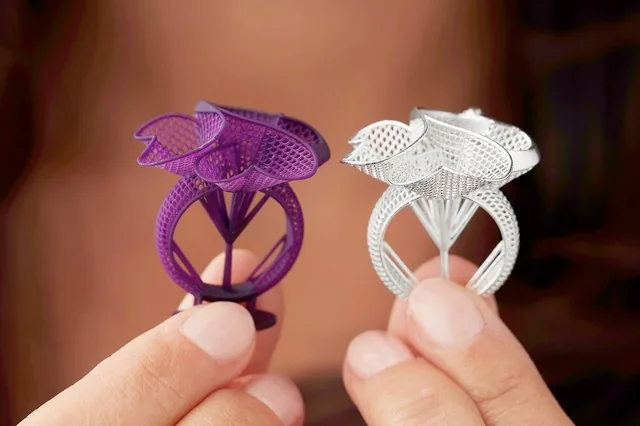
Every piece of jewellery starts as a digital model, designed precisely in jewellery design software or captured from an existing piece by 3D scanning. The model takes account of casting rules, wall thickness and stone seats.
From the same file, the metal weight and cost can be estimated, the design can be shown to the client as a realistic image, and any change can be made in minutes instead of re-carving the model from scratch.
Two ways to start a design
Designing from scratch: The piece, its parts and its stone seats are drawn on the computer to set dimensions.
3D scanning: An existing piece, such as a heritage item or a damaged piece of jewellery, is scanned with an optical scanner and becomes a digital model that is cleaned up and edited on the computer. It can then be used to restore missing parts, reproduce the piece, or resize it while keeping the detail of its engraving.
Software used
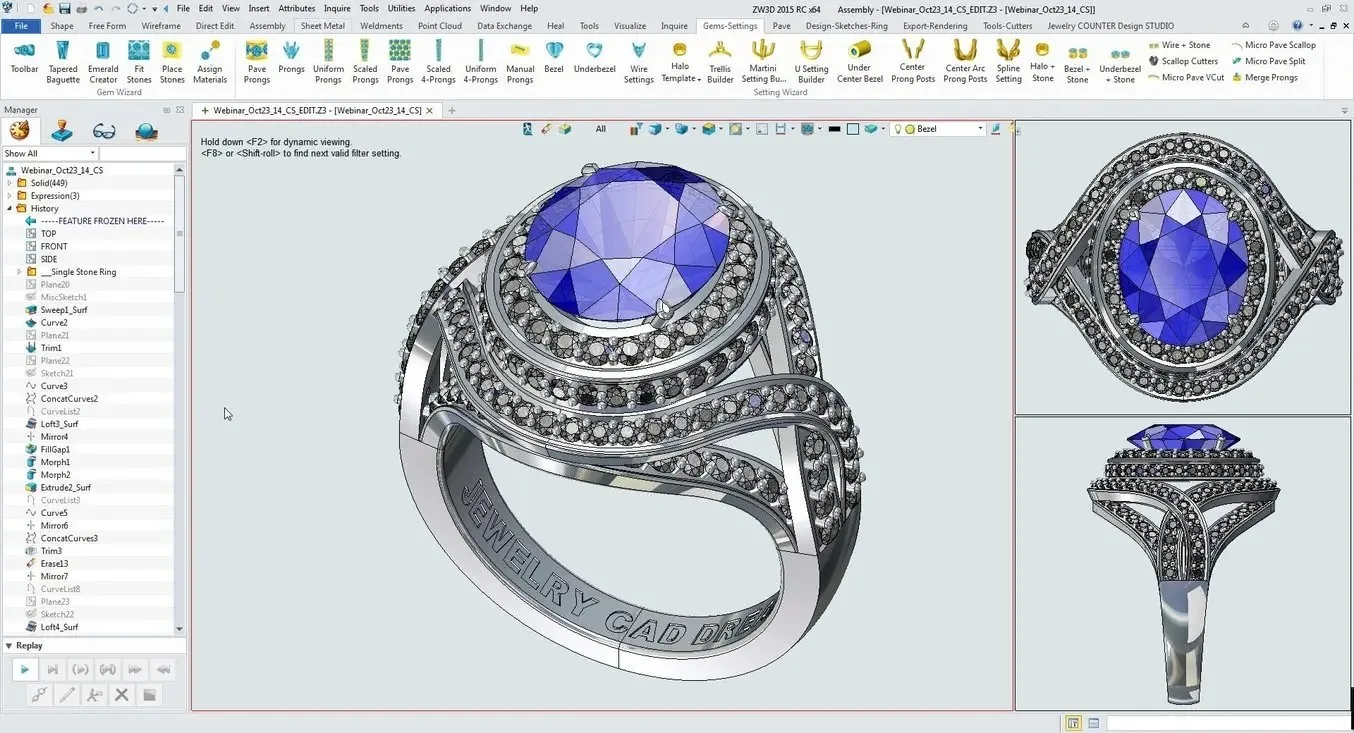
Jewellery design software such as MatrixGold, built on Rhino, offers ready-made tools for ring sizes, stone seats, prongs and laying out small stones across surfaces.
Digital sculpting software such as ZBrush and Blender suits organic shapes, relief ornament and small figures.
Parametric design tools such as Grasshopper build ornament from rules and variables, so the number of repeats, the size of the openings or the density of the piercing can be changed across the whole piece by editing a single value.
Realistic rendering: The piece is shown as a realistic image in the colours of its metal and stones, so the client can approve the design before production begins.
What to consider in the design
Wall thickness: Walls should usually be no thinner than 0.5–0.8 mm, depending on the size of the piece, and prongs no thinner than 0.5 mm, because thinner parts may not fill with metal or may deform.
Taper and detail: A slight taper of about 5 degrees is added to the sides and prongs to ease casting, and engraving and fine lines are made slightly deeper than needed because polishing removes part of them.
Metal weight: The design software calculates the volume of the piece, which is multiplied by the density of the metal to estimate the weight: sterling silver is about 10.3 grams per cubic centimetre, and 18-carat gold about 15.5 grams. Large pieces can be hollowed out to reduce weight and cost.
Ring size and shrinkage: The ring is designed to its actual inner diameter, allowing for the slight shrinkage of the metal as it cools, and this is fine-tuned by testing for each metal and casting method.
From file to machine
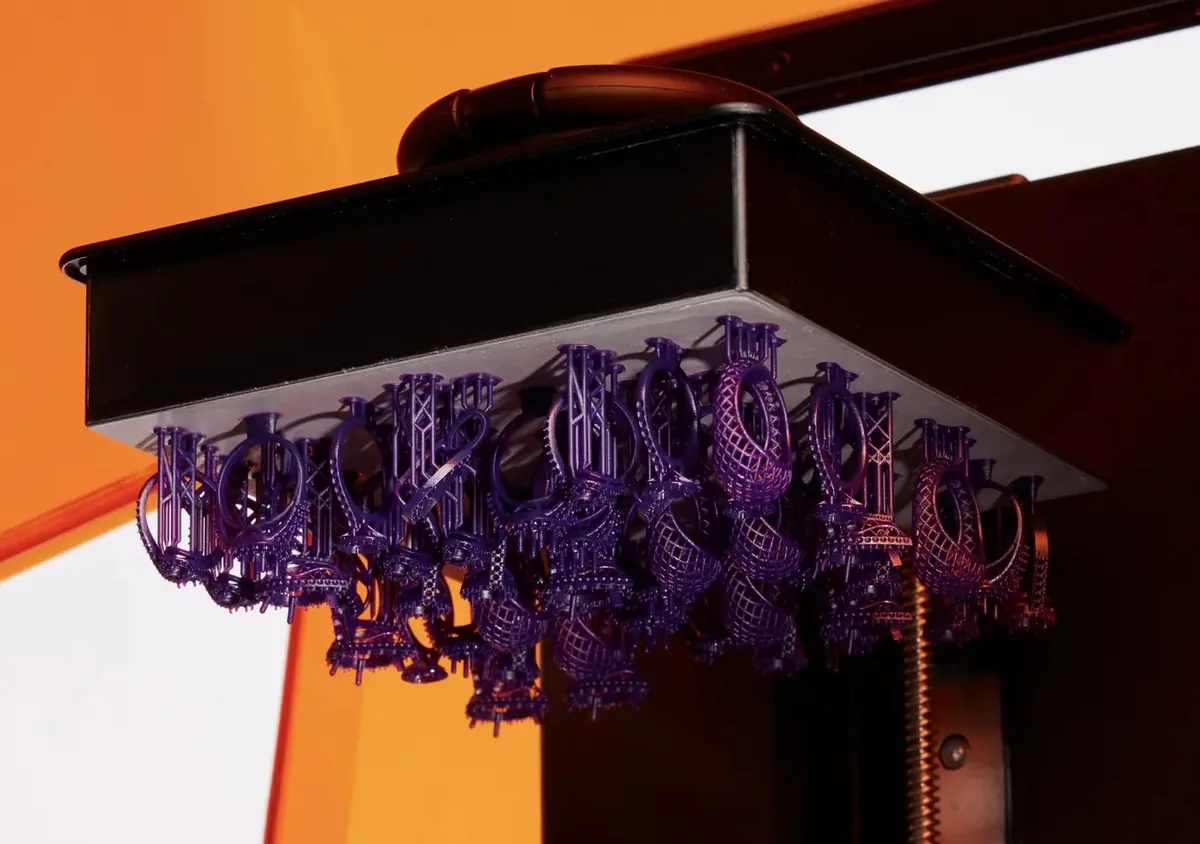
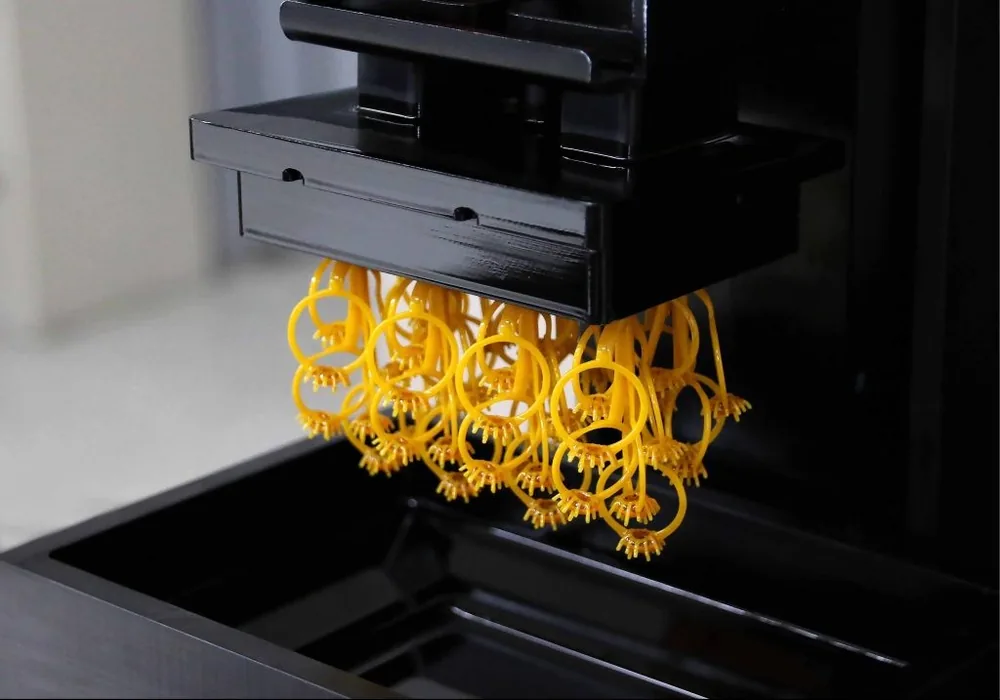
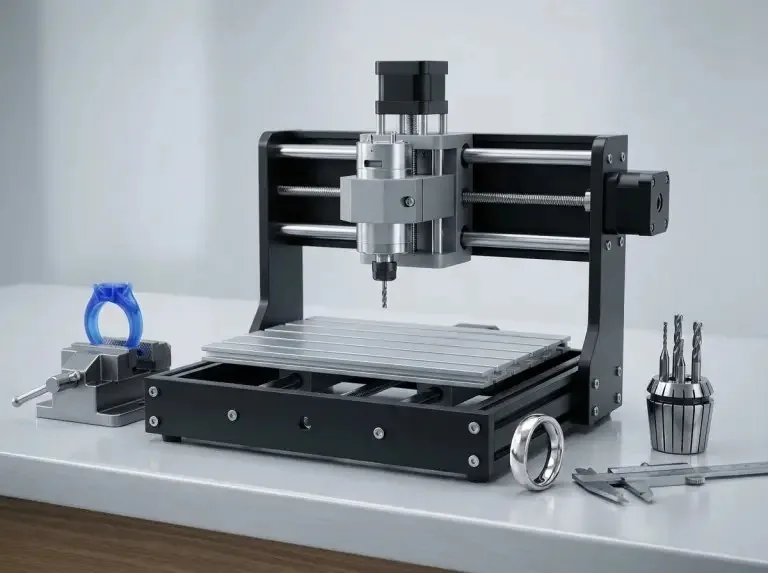
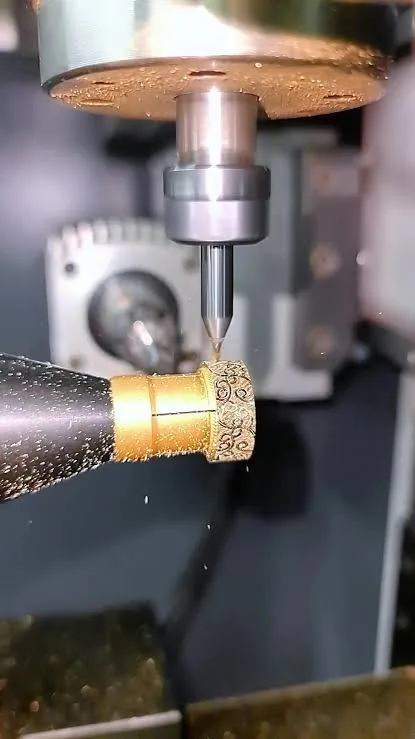
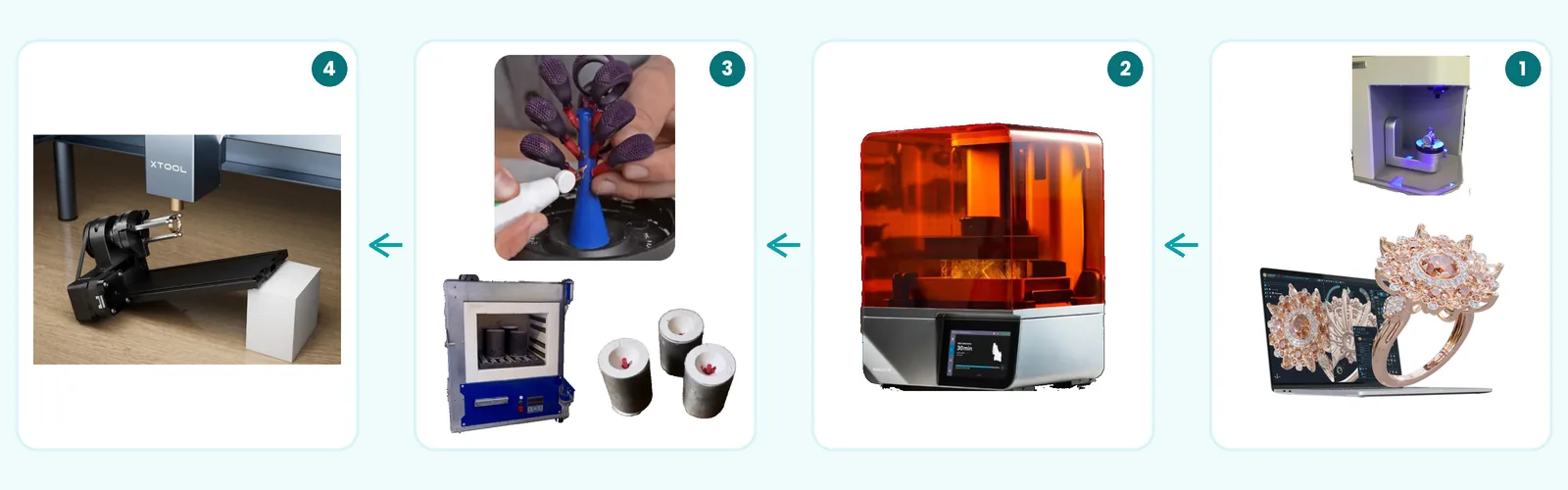
Models are exported as STL files and then prepared for printing in the printer's software by setting orientation and supports, or milling toolpaths are prepared in CAM software for the wax milling machine. Engraving and cutting files are sent to the laser in vector formats.
-
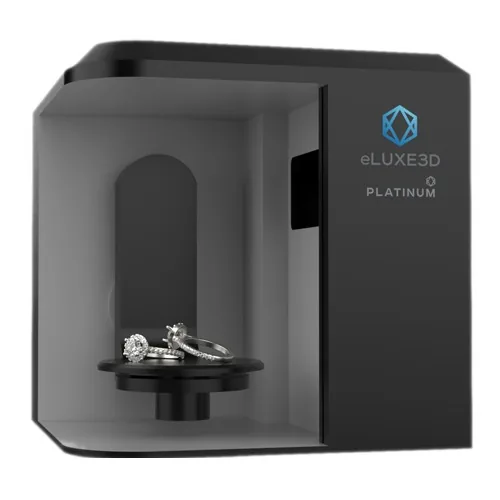
A 3D scanner designed for jewellery -
Illustration: scanning a traditional piece and turning it into a digital model -
Illustration: wall thickness, prong diameter and taper